

Planning an Indian Destination Wedding in Malaysia from the USA: A Guide for Indian American Couples

For Indian American couples, a destination wedding can bring family and friends together in one place, but the guest list may be spread across several US states and multiple countries. Relatives might be travelling from New York or New Jersey, California, Texas, Illinois, India and other parts of the world. A Malaysian wedding needs to be planned around that reality from the beginning.
Malaysia can offer different wedding settings, from Kuala Lumpur's city hotels to coastal resorts, island properties and highland venues. Rather than choosing a location only because it looks impressive in photographs, compare the guest journey, venue capacity, accommodation, event restrictions and the type of celebration you want to host.
1. Build your guest map before choosing the venue
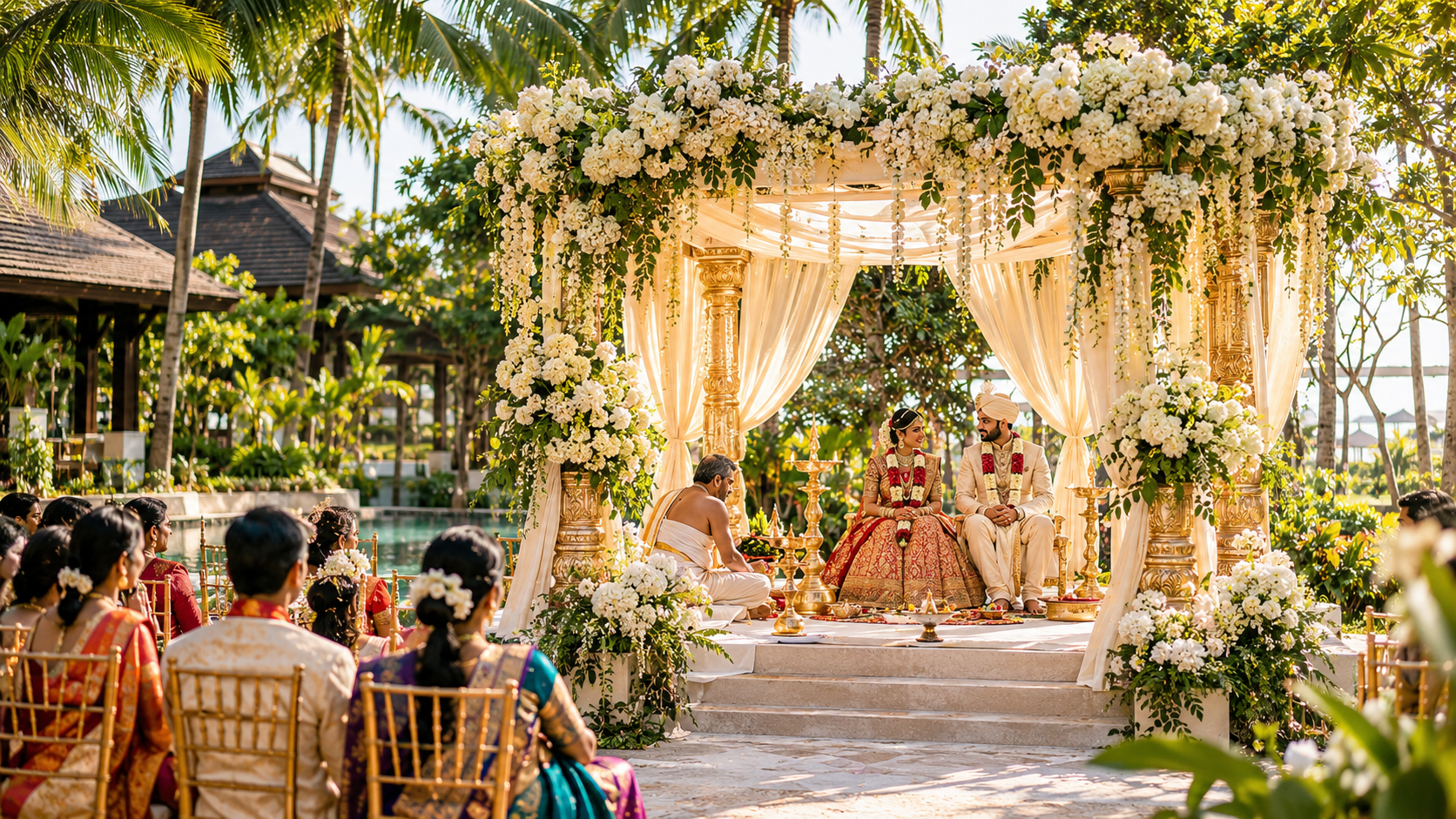
Ask guests where they expect to depart from, how many people will travel together, how long they can stay and whether they need rooms, transfers or accessibility support. This gives you a clearer picture of the arrival pattern and helps you decide whether a single property is the best choice.
If guests are travelling from multiple US cities, avoid assuming they will arrive at the same time. A welcome event with a flexible arrival window can work better than a tightly timed first function. Allow rest after long journeys, and avoid making guests choose between arriving late and missing a major ceremony.
2. Choose a wedding format that feels like a shared experience
A city hotel can work well for a large guest list and a formal ballroom reception. A resort can create a more immersive wedding-weekend atmosphere, especially when you want guests to stay close to the celebrations. An island or coastal venue can offer a scenic backdrop, while a highland setting may suit couples looking for a different climate and landscape.
For a large wedding, prioritise guest-room inventory, function capacity, loading access and transport.
For a multi-day celebration, ask whether each function can use a different space without creating complicated transfers.
For outdoor ceremonies, confirm covered alternatives, weather contingency and technical power access.
For traditional ceremonies, confirm the venue's rules and the practical requirements of your officiant and suppliers.
3. Make remote planning work across the USA and Malaysia
A shared digital planning hub is essential when decisions involve the couple, parents, relatives, venue and suppliers. Keep the latest venue layouts, quotations, moodboards, guest list, programme, approvals and payment milestones in one place. Mark each item as proposed, approved or awaiting a decision, and record who has final approval.
For venue selection, request a live walkthrough at a time that works for the couple. Ask the person showing the space to cover the ceremony area, reception room, guest circulation, room access, kitchen or catering arrangements, loading route, power supply and rain plan. Ask for measurements and floor plans rather than relying only on photographs.
4. Create a realistic budget in US dollars
Most local supplier quotations will be in Malaysian ringgit. Keep the original quotation and build a USD estimate using a dated exchange rate. Update the conversion before deposits and final payments, and ask each supplier how long its quotation is valid. Do not compare proposals until you have aligned the guest count, functions, venue, catering, décor, production and staffing inclusions.
Venue, catering and service charges for every function.
Accommodation and transport, where included.
Mandap, floral design, stage, backdrop and furniture.
Sound, lighting, LED screens, technical operators and rehearsals.
Entertainment, photography, contingency and venue-specific fees.
Ask for a clear payment schedule, cancellation policy, overtime rates and a list of exclusions. A detailed proposal helps you understand what is actually being delivered and reduces the risk of unexpected costs during the final planning period.
5. Plan for a culturally rich and welcoming guest experience
A multi-day wedding may include mehendi, haldi, sangeet, the main ceremony and reception. Give each function its own purpose and atmosphere, and explain the schedule to guests who may be unfamiliar with certain traditions. Consider the needs of older relatives, young children, guests with dietary requirements and family members who may need quiet time between events.
Production should be planned around the programme. The sangeet may require a performance stage and clear sound; the ceremony may need a mandap, suitable seating and carefully coordinated music cues; the reception may need a different lighting design, LED visuals and a smooth flow for speeches and entrances. A technical rehearsal helps make sure the visual and audio elements support the event rather than distract from it.
6. Weather, travel and practical arrangements
Malaysia's tropical conditions mean outdoor plans should always include a realistic wet-weather alternative. Ask the venue how quickly it can move the ceremony or reception indoors, whether guests can move under cover and how the technical setup is protected. Check current travel and entry rules for every guest based on their passport and circumstances, and direct them to official immigration sources and their airline for the latest information.
Important: getting legally married in Malaysia
A wedding celebration and a legally registered marriage are not automatically the same thing. Before you book travel or announce a legal wedding date, decide whether you want the legal marriage to take place in Malaysia or whether you will complete the legal registration in your home country and hold a ceremonial celebration in Malaysia.
For non-Muslim couples seeking civil marriage registration in Malaysia, the National Registration Department (JPN) is the relevant authority. JPN's published guidance states that non-citizen applicants must reside in Malaysia for seven consecutive days and may submit their application on the eighth day. The notice period is displayed for 21 days plus one day, and the solemnisation date is subject to completion of the notice period and JPN availability. JPN may require passports, proof of marital status, birth certificates, photographs and other supporting documents depending on the case. Do not assume a short wedding trip is enough to complete civil registration.
Muslim marriages follow procedures set by the relevant state Islamic religious authorities. Requirements and application processes differ by state, and permission must be obtained before solemnisation. Couples should contact the relevant authority directly.
Official starting points: JPN civil marriage guidance: https://www.jpn.gov.my/en/services/marriage/registration-of-marriage-in-malaysia-for-non-muslim-applicants-without-licence/ and Malaysian Government marriage procedures: https://www.malaysia.gov.my/en/categories/family-institution/marriage-of-non-muslim-couples and https://www.malaysia.gov.my/en/topics/marriage-procedures-for-muslim-couples. Also check with your country's embassy, consulate or civil registry about recognition and documents required when marrying abroad. This is general planning information, not legal advice; requirements can change and your circumstances may affect the process.
7. What a local Malaysian event team can take off your plate
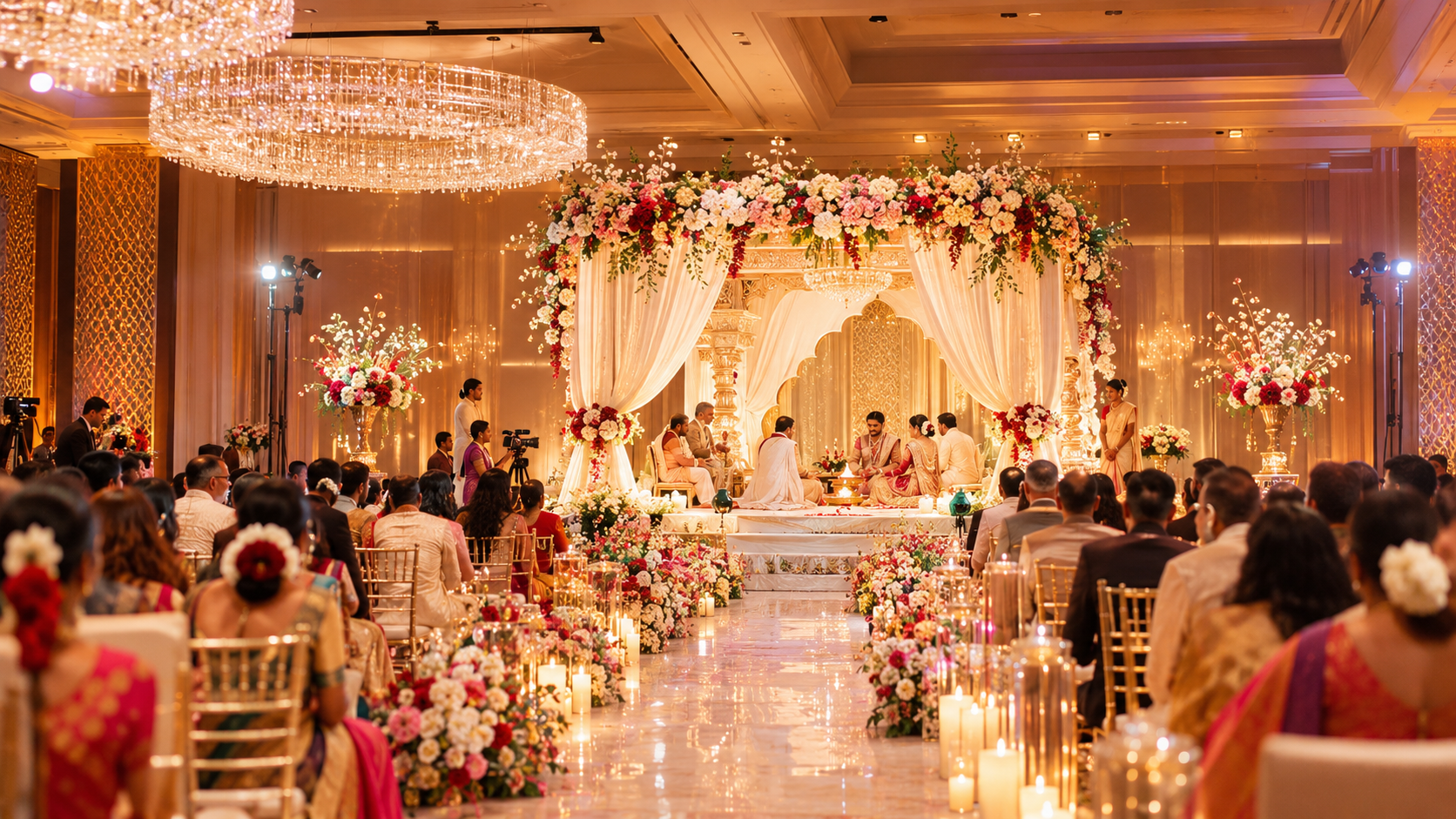
Gouden Riche Events can discuss the local planning and production elements of your wedding. Depending on your brief, these may include event flow, wedding décor, mandap and stage setup, sound, lighting, LED screens, technical support and on-the-ground coordination. The scope should be agreed clearly so that you know which suppliers, decisions and event-day responsibilities are managed by GRE and which remain with the venue or other providers.
If you are planning from the USA, send us your preferred dates, guest estimate, departure locations, number of functions and preferred venue style. We can use that information to start a practical conversation about your wedding in Malaysia.
Frequently asked questions
Can a wedding planner coordinate with family members in different US states?
A shared planning hub and agreed approval process make this much easier. Nominate key decision-makers and keep final choices documented.
Should we book a resort or a hotel in Kuala Lumpur?
It depends on your guest count, accommodation needs, preferred atmosphere and programme. Compare the actual spaces, room inventory, travel and supplier requirements before deciding.
Can GRE advise on US marriage recognition?
GRE is an event management company, not a legal adviser. Check with the relevant Malaysian authorities and your US state or federal guidance on marriage abroad and recognition.
Bring your families together in Malaysia
Start a conversation with Gouden Riche Events about your wedding brief. Explore https://www.goudenricheevents.com/destination-wedding or contact us at https://www.goudenricheevents.com/contact.


Comments