
The Comprehensive Guide to Event Production Essentials You Can't Miss

Producing a successful event requires careful planning and attention to many details. Missing just one key element can disrupt the entire experience for attendees and organizers alike. This guide brings together everything you need under one roof to ensure your event runs smoothly from start to finish. Whether you are organizing a small gathering or a large-scale production, these essentials will help you stay on track and deliver a memorable event.
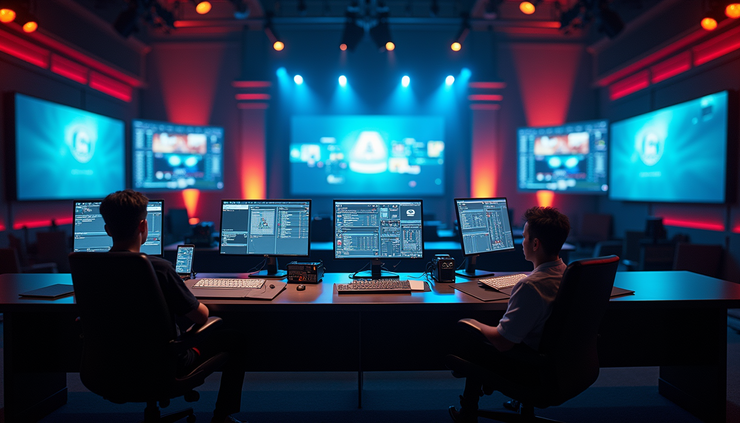
Planning and Pre-Production
The foundation of any event lies in thorough planning. Begin by defining the event’s purpose, target audience, and desired outcomes. This clarity will guide every decision moving forward.
Venue selection
Choose a location that fits the event size, accessibility needs, and technical requirements. Visit the site in person to assess lighting, acoustics, and space layout.
Budget management
Create a detailed budget covering venue, equipment, staff, marketing, and contingency funds. Track expenses regularly to avoid surprises.
Timeline and schedule
Develop a timeline that includes deadlines for booking vendors, marketing launches, rehearsals, and setup. Share this schedule with your team to keep everyone aligned.
Permits and insurance
Secure necessary permits for public gatherings, food service, or amplified sound. Obtain insurance to protect against liability and unforeseen incidents.
Technical Setup and Equipment
Technical elements can make or break an event experience. Focus on reliable equipment and skilled operators.
Audio and sound systems
Invest in quality microphones, speakers, and mixers. Test sound levels in the venue to prevent feedback or dead zones.
Lighting design
Use lighting to enhance mood and visibility. Consider stage lights, ambient lighting, and emergency illumination.
Visual displays and screens
Plan for projectors, LED walls, or monitors to share presentations, videos, or live feeds. Ensure compatibility with your content formats.
Power and backup
Confirm sufficient power supply and have backup generators or batteries ready to avoid interruptions.
Staffing and Roles
A well-trained team is essential for smooth execution.
Event coordinator
Oversees the entire production, manages communication, and solves problems on the spot.
Technical crew
Handles setup, operation, and troubleshooting of audio, lighting, and video equipment.
Stage managers
Coordinate performers, speakers, and timing during the event.
Support staff
Assist with registration, crowd control, catering, and cleanup.
Clear role definitions and communication channels prevent confusion and delays.

Logistics and On-Site Management
Managing logistics ensures the event flows without hitches.
Load-in and load-out plans
Schedule times for equipment delivery and removal to avoid congestion.
Signage and directions
Provide clear signs for entrances, restrooms, emergency exits, and key areas.
Safety and emergency protocols
Prepare for medical emergencies, fire hazards, and crowd control. Brief staff on procedures.
Catering and hospitality
Coordinate food and beverage services, considering dietary restrictions and timing.
Rehearsals and run-throughs
Conduct full rehearsals to identify and fix issues before the event day.
Post-Event Wrap-Up
The event doesn’t end when the last guest leaves. Post-event activities help measure success and prepare for future productions.
Debrief meetings
Gather your team to discuss what worked well and what could improve.
Feedback collection
Use surveys or interviews to get attendee opinions.
Equipment check and maintenance
Inspect and store gear properly to extend its lifespan.
Financial reconciliation
Review all expenses and income to finalize the budget.
Thank-you notes
Send appreciation messages to staff, vendors, and participants.


Comments